Resources
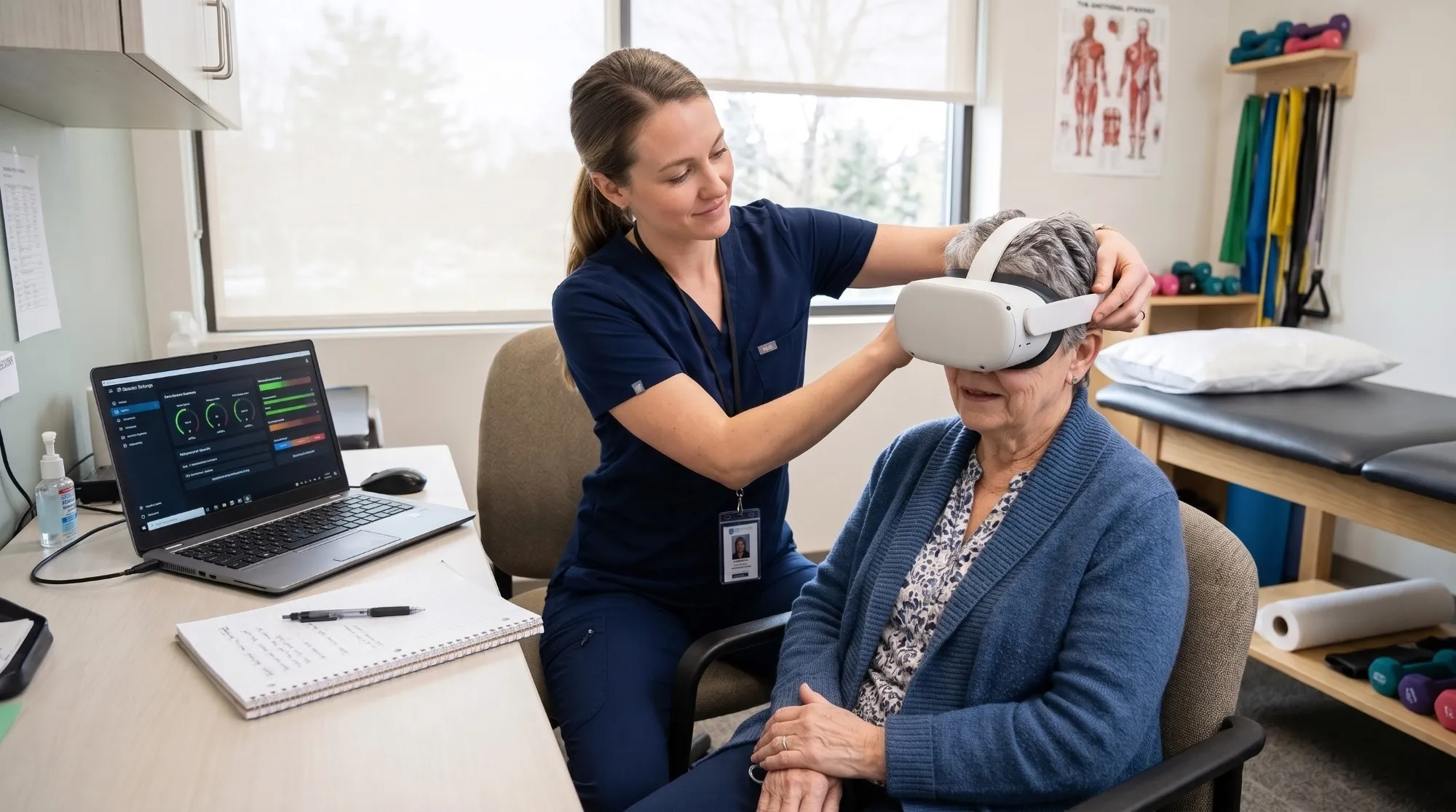
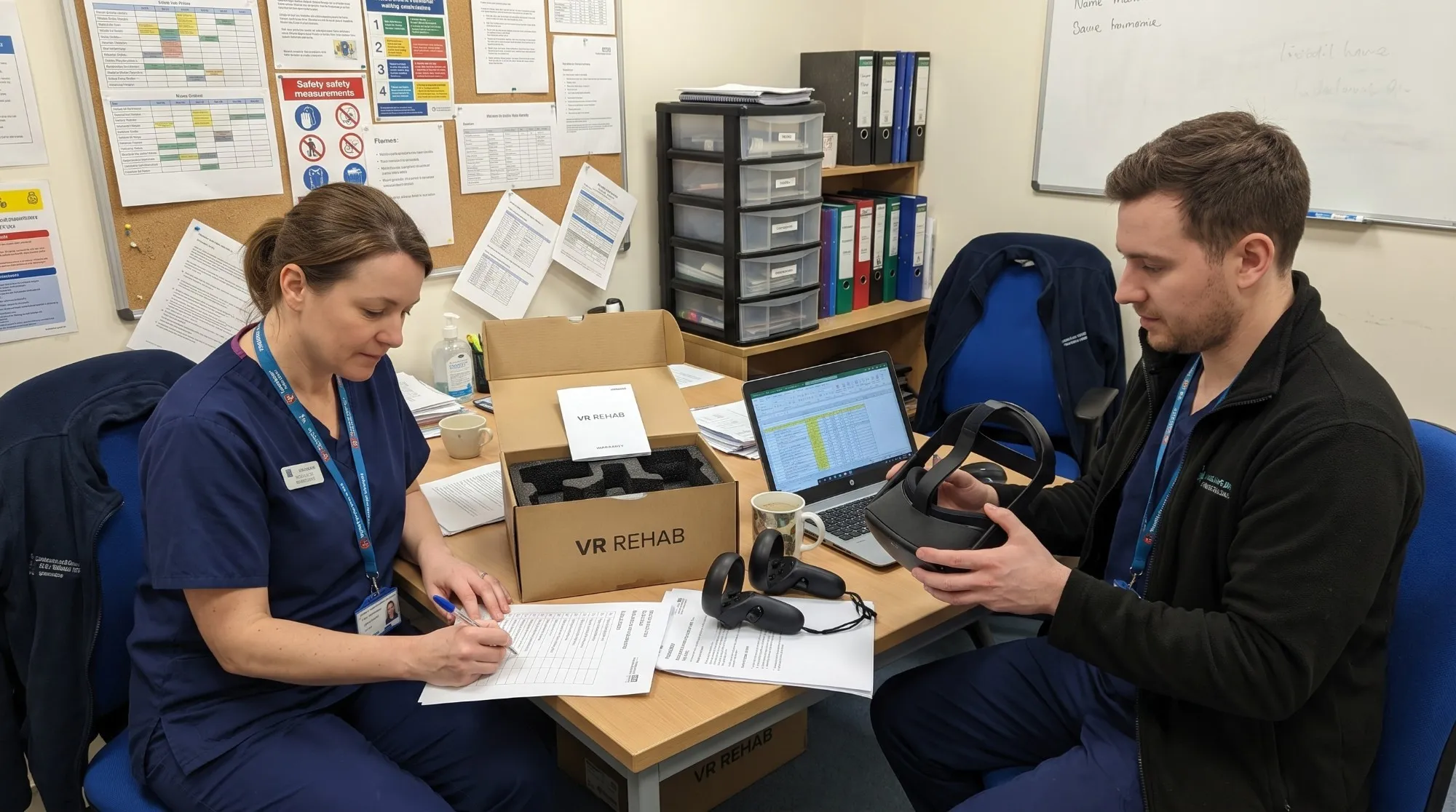
How to Choose a VR Rehabilitation System: A Practical Guide for Clinicians
Learn how to choose a VR rehabilitation system for your clinic. Compare clinical evidence, patient safety, therapy features, costs and support.
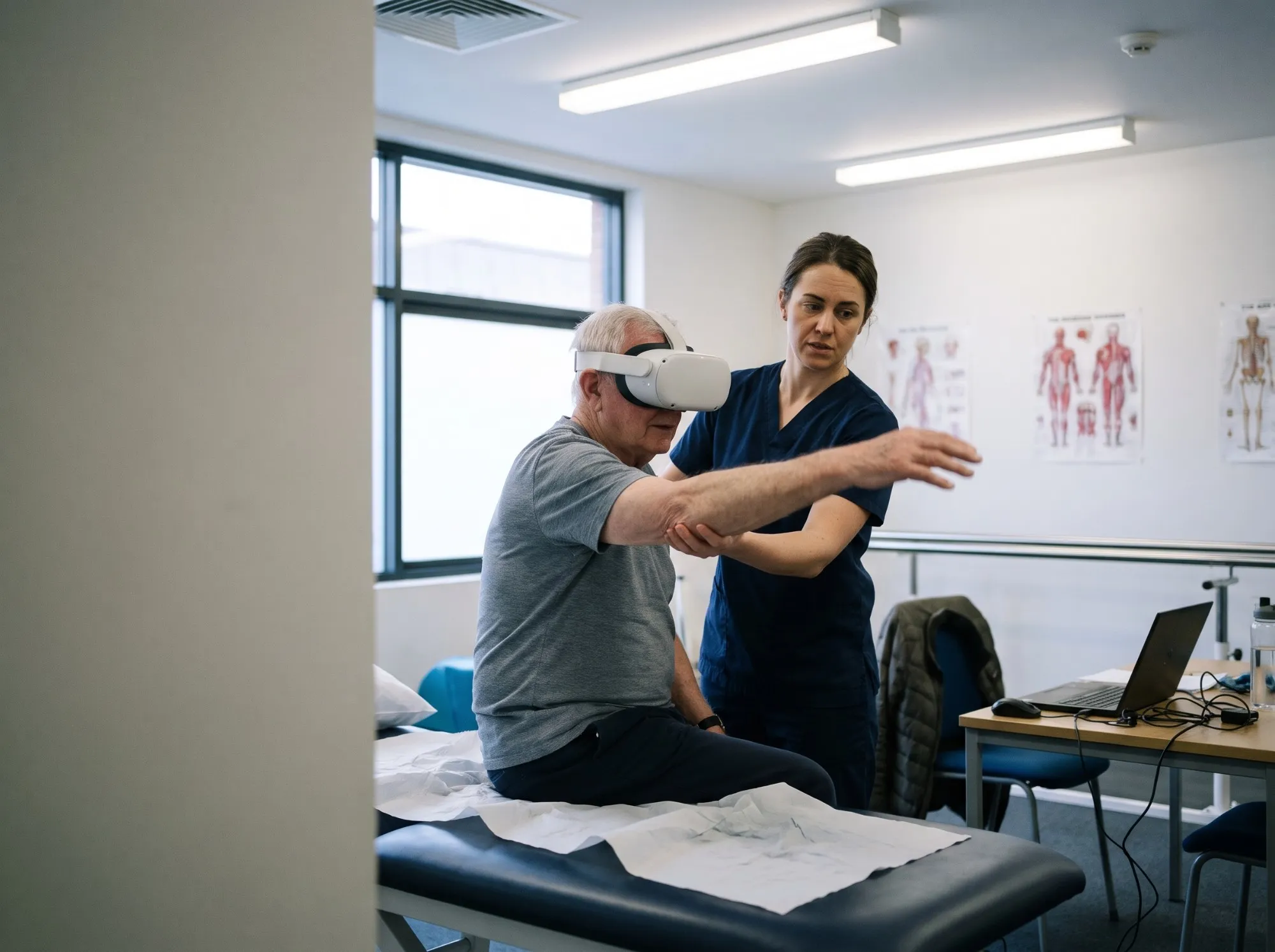
How virtual reality, AI and emerging technologies are changing rehabilitation. Clear explanations, practical guides and easy-to-digest research summaries for physiotherapists, rehab professionals and anyone curious about the future of therapy.
Rehabilitation is evolving, with new technologies opening up possibilities for how care is delivered, monitored and experienced.
At Tech in Rehab, we explore the innovations driving this change, from emerging digital solutions to the latest scientific research and real-world clinical applications.
Our goal is simple: to make rehabilitation technology easier to discover, understand and evaluate, helping professionals stay informed and make better decisions about the tools shaping their field.
Learn how to choose a VR rehabilitation system for your clinic. Compare clinical evidence, patient safety, therapy features, costs and support.
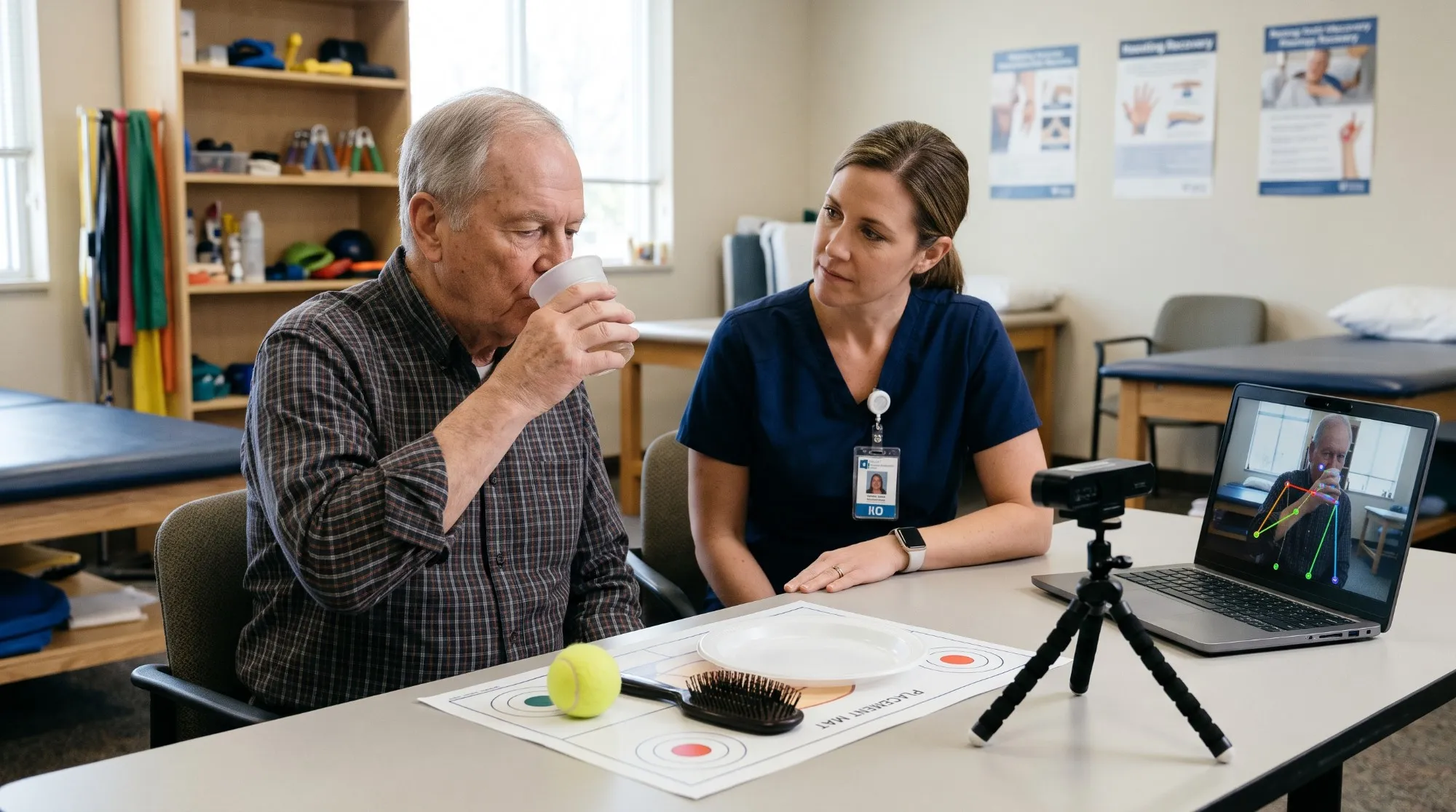
How camera-based motion tracking works without body markers, what it measures accurately, where it falls short, and how to judge a system's claims.
Markerless motion capture in rehab: how it works, how accuracy is judged and what three systematic reviews and two 2026 studies found, in under five minutes.
What VR rehabilitation is, how immersion levels differ, where the evidence is strongest, and how certain it is. A plain-language guide for therapists.
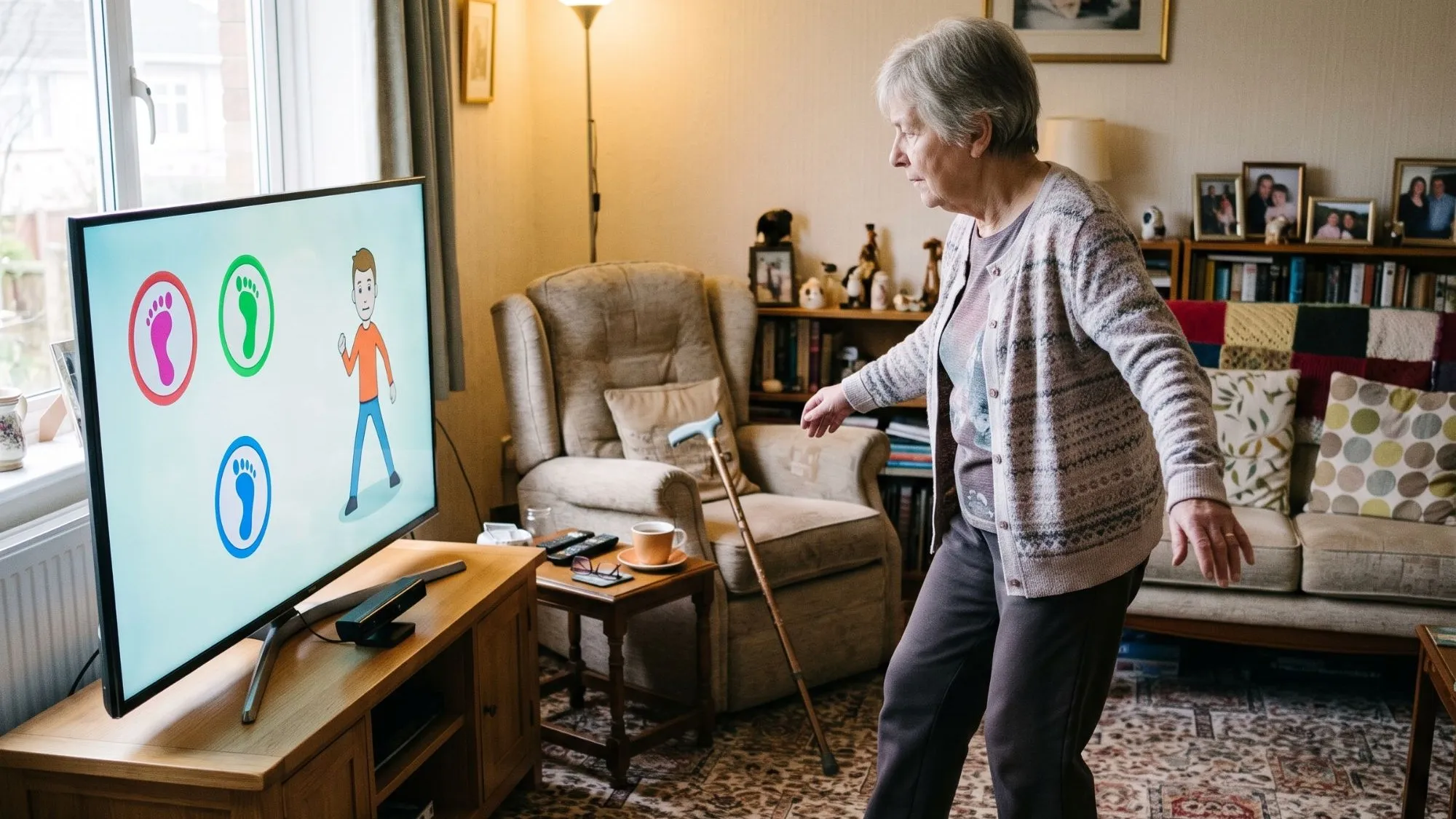
What randomised trials show when exergames and exercise apps are judged on falls, not balance scores, in older people living at home or in care.
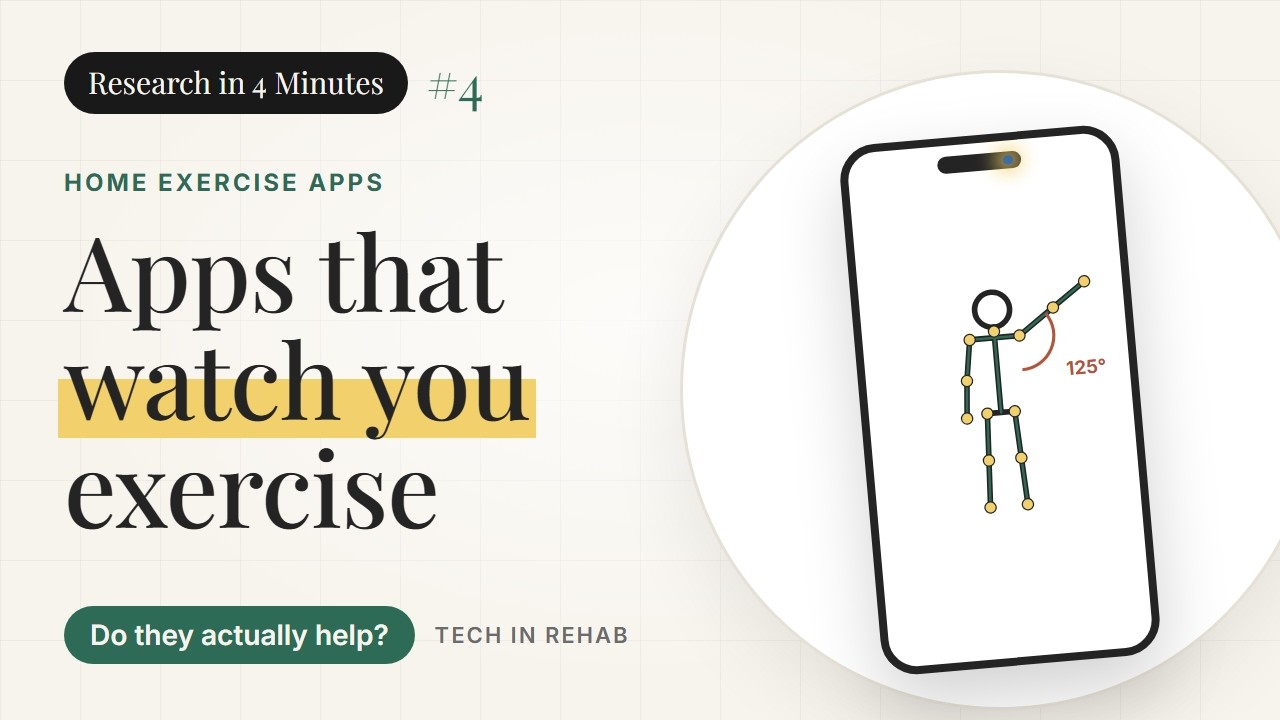
A plain-language look at home exercise apps with camera or sensor tracking: do people exercise more, and do they get better?
Discovering innovation is just the beginning. Understanding its real impact matters.
We go beyond product announcements and technology trends to explore the research, practical applications and challenges behind digital rehabilitation.
We look at what published research tells us, including its findings, limitations and relevance to clinical practice.
We explore how new technologies can support rehabilitation professionals, from everyday clinical use to implementation challenges.
We bring together research, industry developments and professional insights to help readers form their own opinions about emerging solutions.
Are you a physiotherapist, occupational therapist, speech therapist, researcher or engineer working with rehabilitation technology? We would like to hear from you.
You can propose a topic, write or co-write an article, share how you use technology in your practice, or help us review the evidence. Tell us a little about yourself and what you have in mind.